Data Vis Dispatch, March 31: Artemis II, energy supplies, and crime

Welcome back to the 238th edition of Data Vis Dispatch! Every week, we’ll be publishing a collection of the best small and large data visualizations we find, especially from news organizations — to celebrate data journalism, data visualization, simple charts, elaborate maps, and their creators.
Recurring topics this week include Artemis II, energy supplies, and crime.
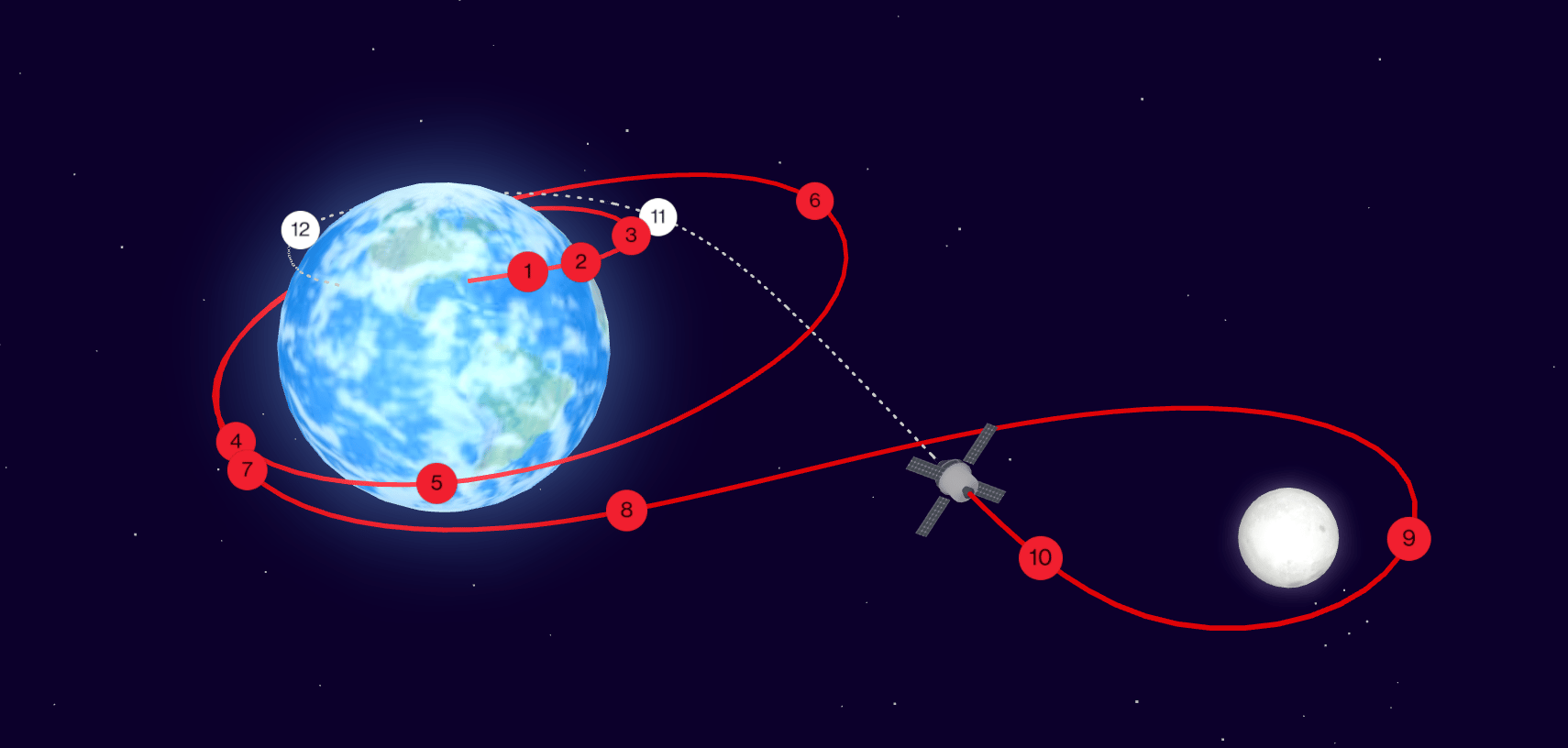
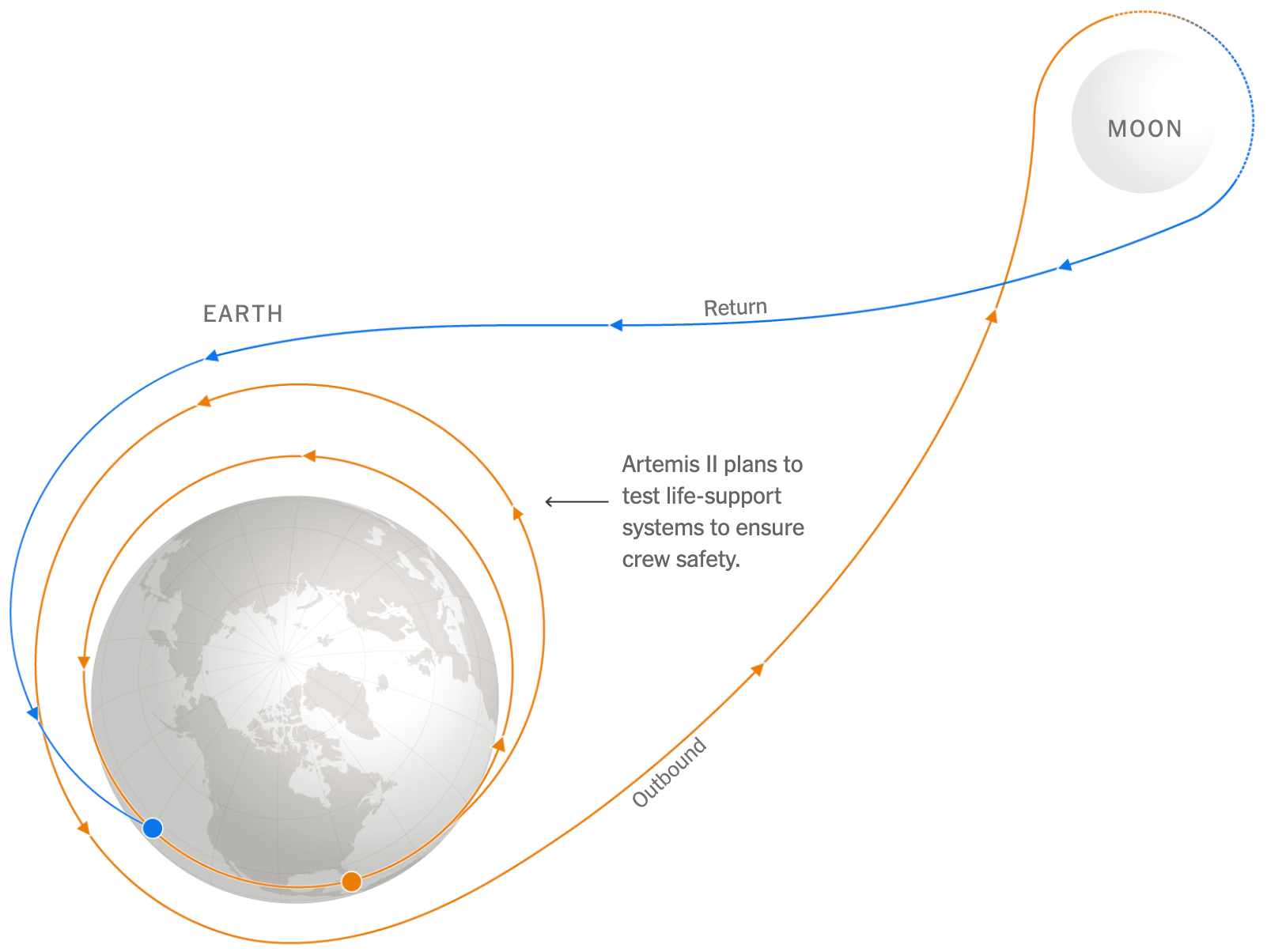
NASA's Artemis II mission is set to launch tomorrow, April 1, and numerous visualizations below illustrate the historic journey planned around the moon.
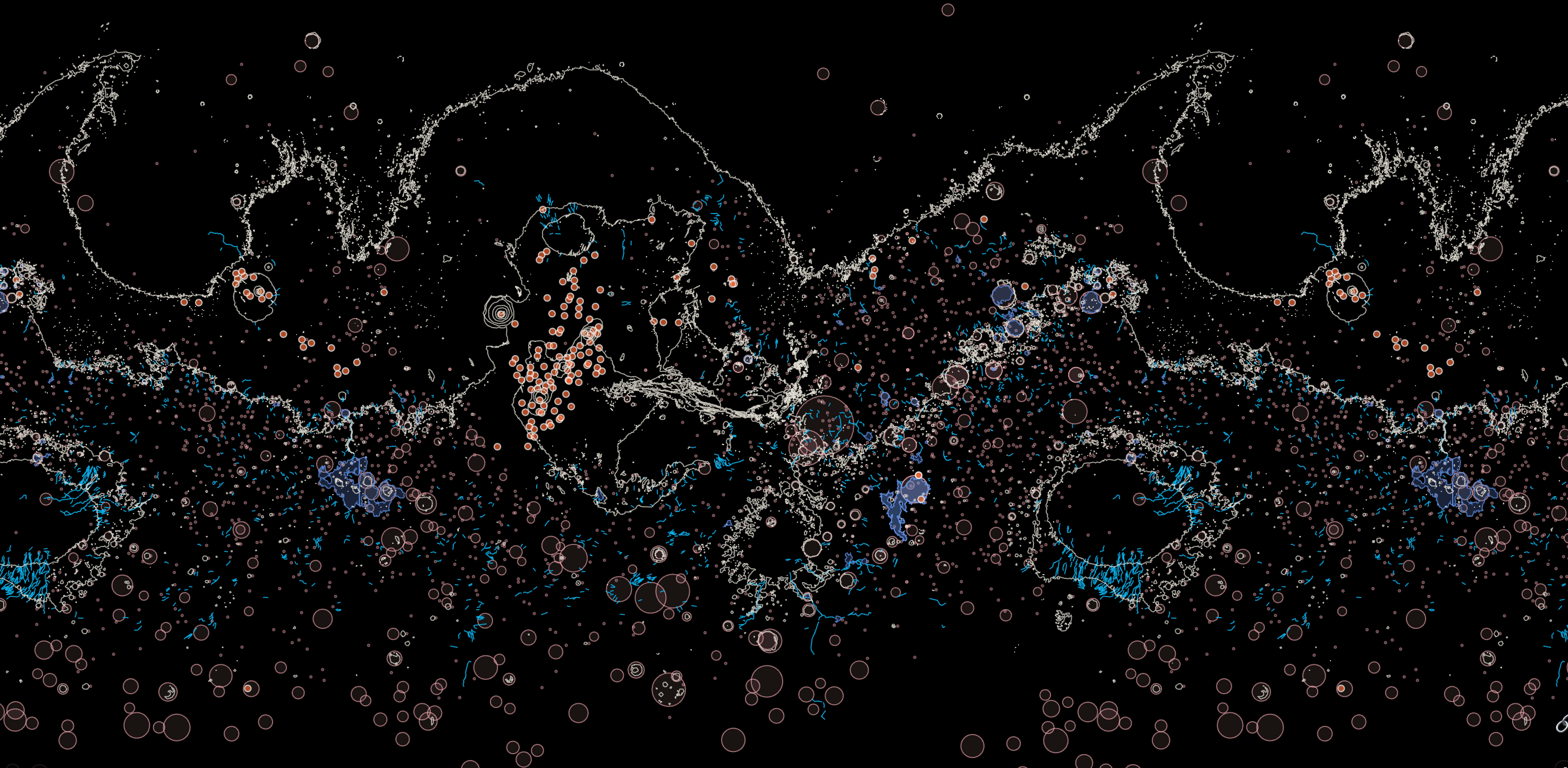
With more satellites launched into space, traffic is increasing around Earth's orbit. Speaking of aerospace, SpaceX is set to become one of the ten highest valued companies globally. For an out-of-this-world experience, explore how water might have carved the Martian landscape with this interactive map!
![mabunews: <a href="https://mabunews.stibee.com/p/328"><strong>반도체 자체 생산에 나선 머스크... 성공할까 실패할까?</strong></a> [<em>Chart title: The top 10 companies by market capitalization worldwide</em>], March 27](https://datawrapper.de/cdn-cgi/image/quality=85,width=1320,f=auto,fit=cover/https://kirby.datawrapper.de/media/pages/blog/data-vis-dispatch-march-31-2026-artemis-ii-energy-supplies-and-crime/5056716172-1774900982/cleanshot-2026-03-30-at-22.02.53@2x.png)
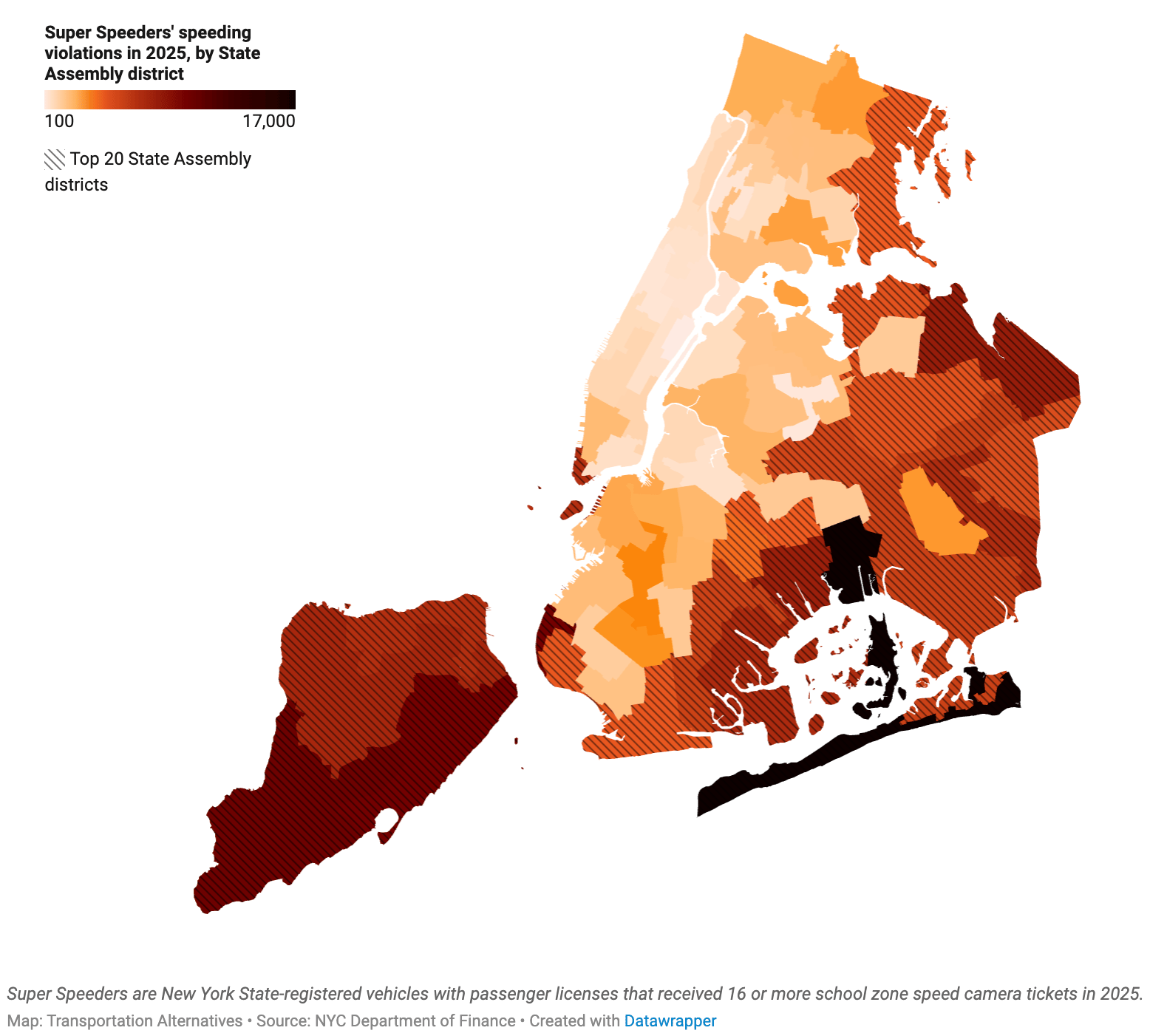
On the topic of crime, cybercrime in Malaysia has resulted in significant financial losses. Additionally, the state of New York has experienced a high number of super speeder violations. Reports of numerous cases of rape involving vulnerable victims have been identified in various Brazilian states.
![Newsgraphy:<a href="https://www.newsgraphy.my/interactive/malaysia-online-crime/"> <strong>网络罪案一键之遥</strong></a> [<em>Chart title: Financial Losses from Various Types of Cybercrimes</em>], March 26](https://datawrapper.de/cdn-cgi/image/quality=85,width=1766,f=auto,fit=cover/https://kirby.datawrapper.de/media/pages/blog/data-vis-dispatch-march-31-2026-artemis-ii-energy-supplies-and-crime/214746d392-1774873747/cleanshot-2026-03-30-at-14.28.13@2x.png)
![Folha de S.Paulo: <a href="https://www1.folha.uol.com.br/cotidiano/2026/03/nove-a-cada-dez-casos-de-estupro-de-vulneravel-terminam-sem-resolucao-no-brasil.shtml"><strong>Nove a cada dez casos de estupro de vulnerável terminam sem resolução no Brasil</strong></a> [<em>Nine out of ten cases of rape of a vulnerable person end without resolution in Brazil</em>], March 28](https://datawrapper.de/cdn-cgi/image/quality=85,width=920,f=auto,fit=cover/https://kirby.datawrapper.de/media/pages/blog/data-vis-dispatch-march-31-2026-artemis-ii-energy-supplies-and-crime/212c274664-1774876729/cleanshot-2026-03-30-at-15.18.31@2x.png)
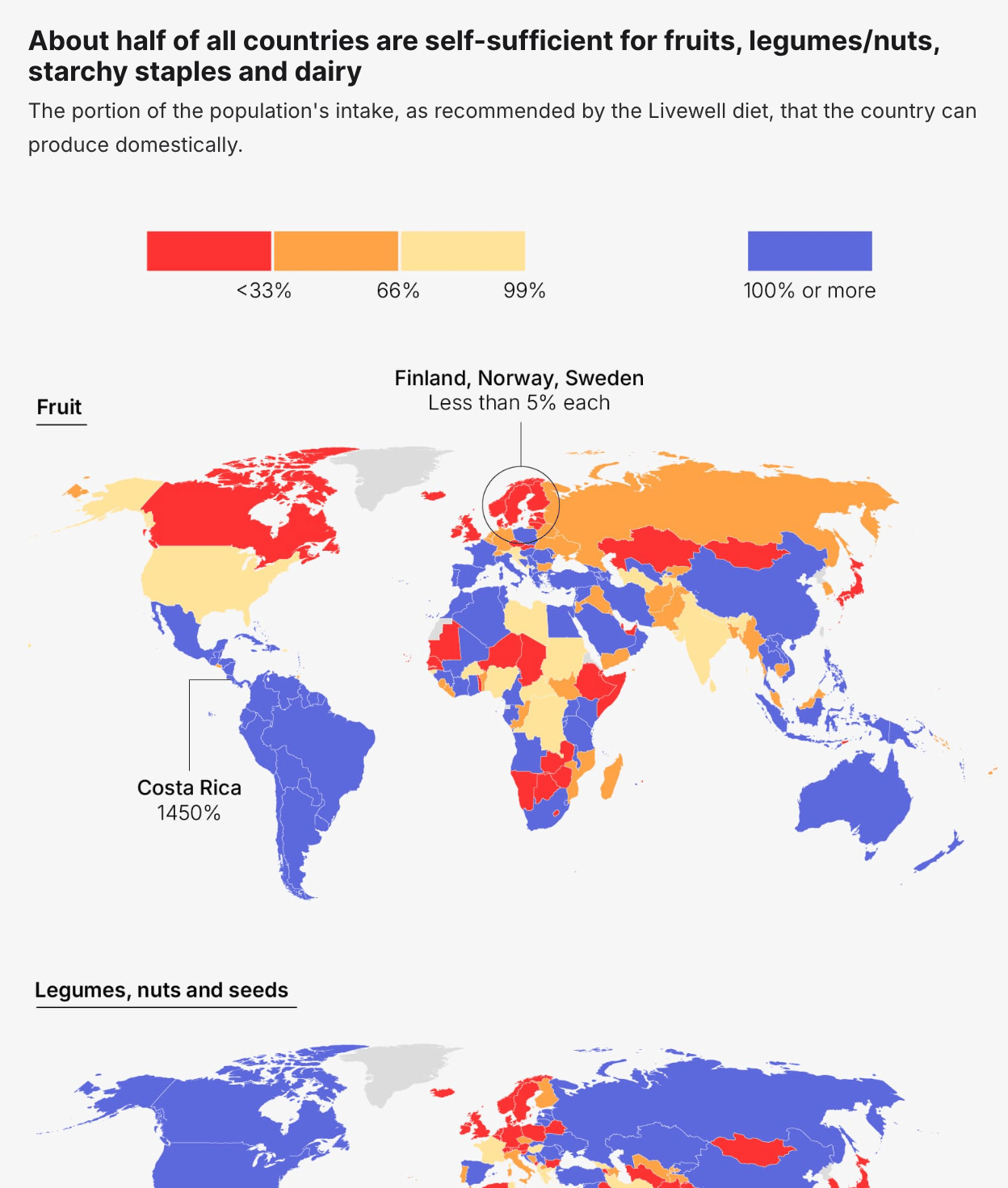
The forest in Rondônia, Brazil, has been severely affected by deforestation for cattle ranching. Although many countries are self-sufficient and produce enough food to feed their populations, global trade and shipping systems are vital for others.
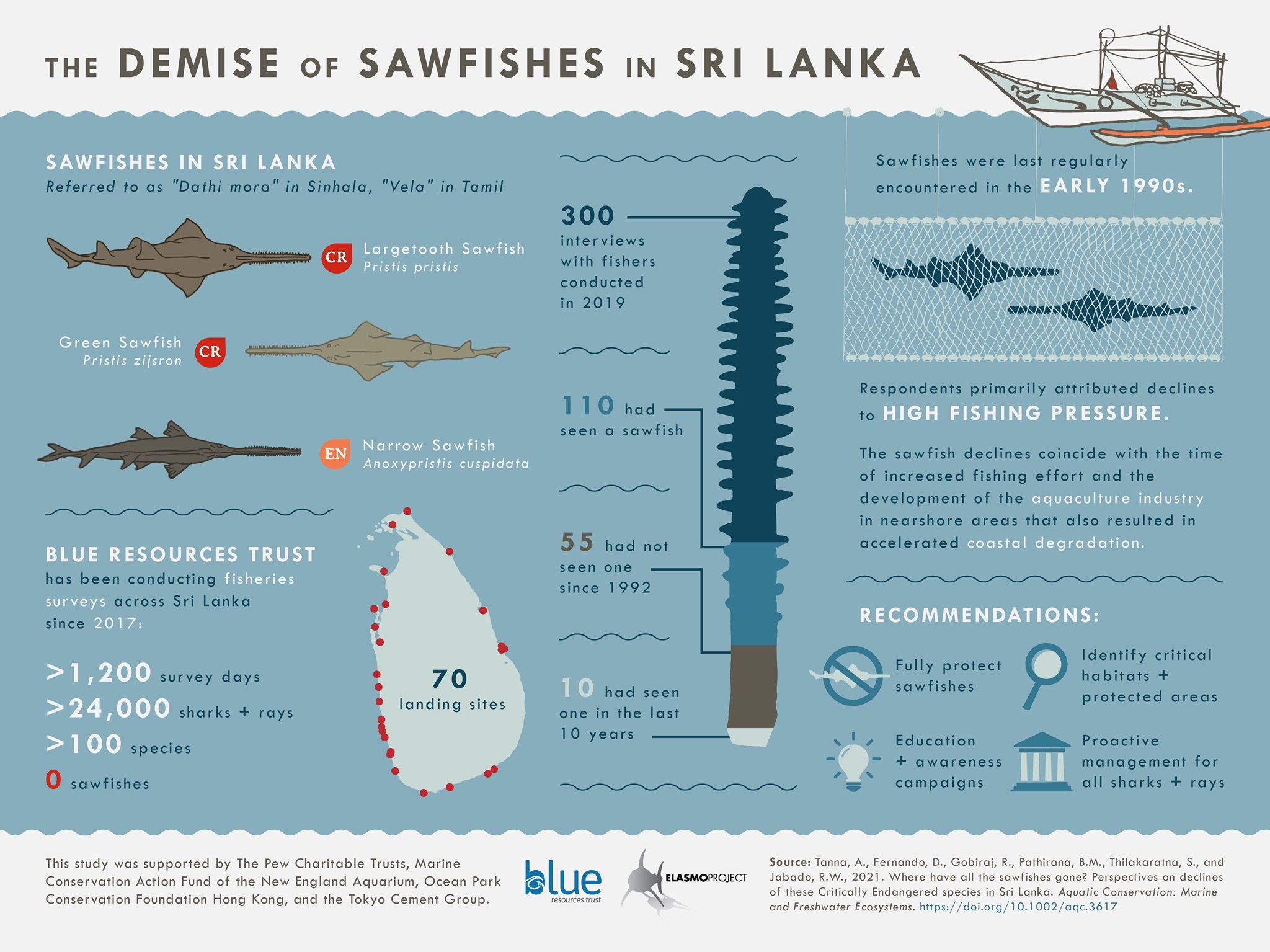
The unusual movements of U.S. and Chinese vessels in militarily strategic waters in the Cook Islands raised suspicion. Meanwhile, in Sri Lankan waters, the sawfish is now feared to be "functionally extinct".
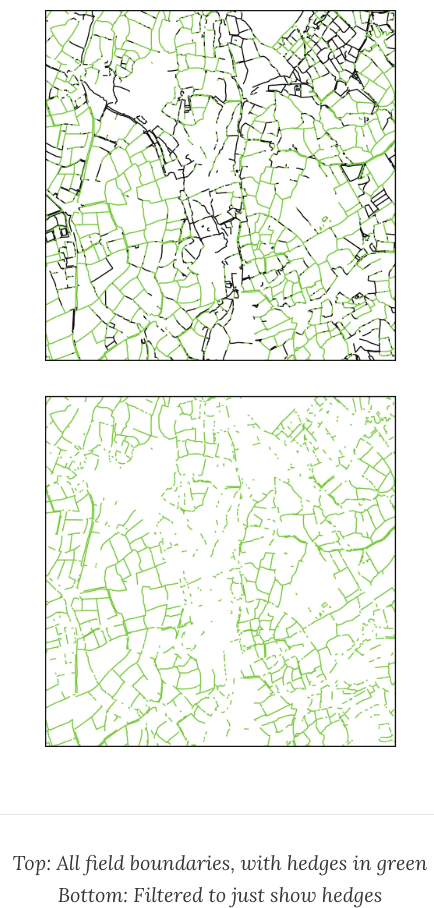
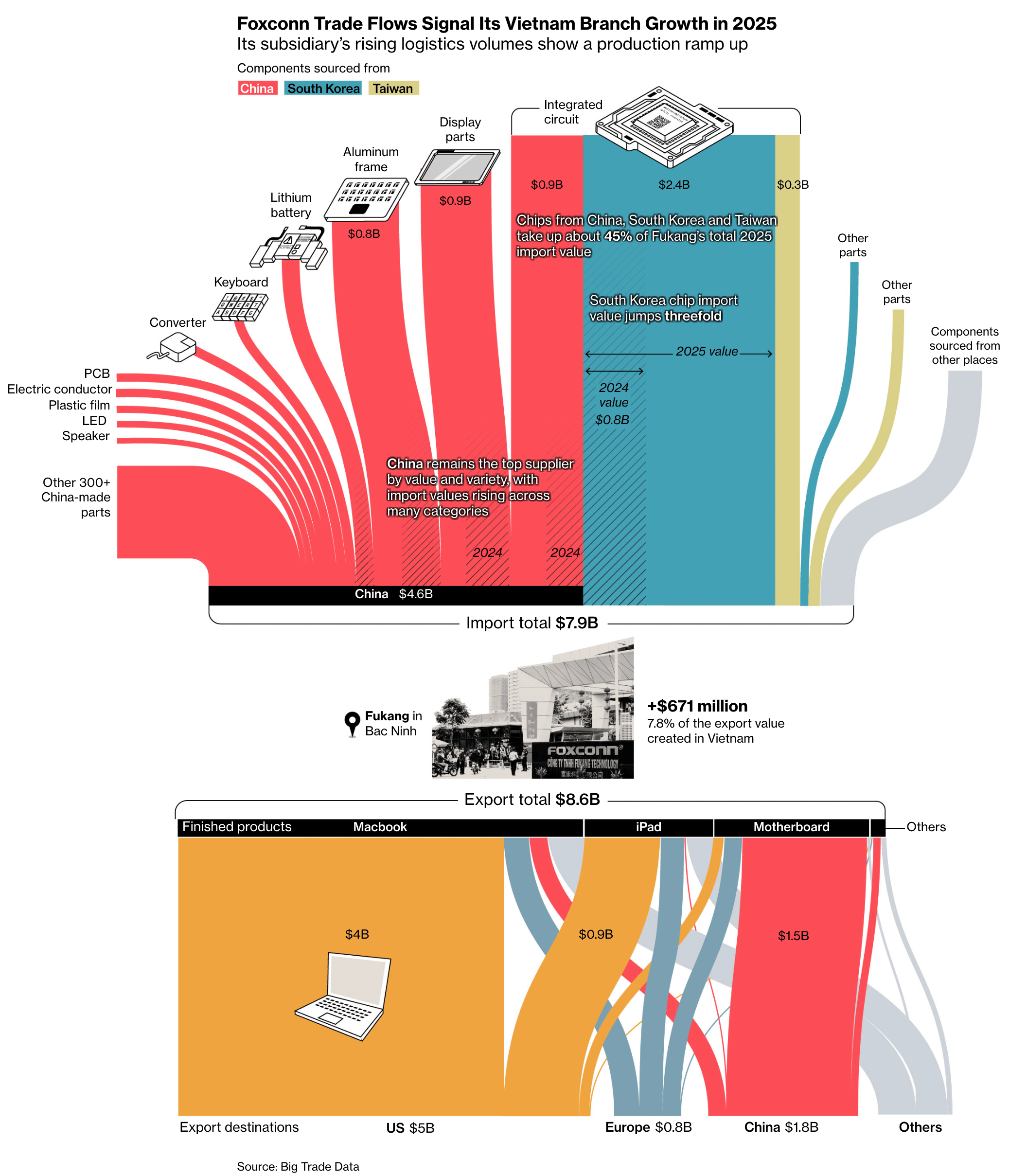
Growth of Britain's hedgerows can be tracked with the help of mapped-out field boundaries! In the south of Utrecht, growing bacteria have contaminated drinking water. On a different note, China has seen an increase in top AI researchers. But a shift in manufacturing made Vietnam surpass China as the leading electronics supplier to the U.S.
![De Volkskrant: <a href="https://www.volkskrant.nl/binnenland/om-drinkwater-schoon-te-houden-moet-utrechts-bos-tegen-de-grond~b5526667/"><strong>Om drinkwater schoon te houden, moet Utrechts bos tegen de grond</strong></a> [<em>To keep drinking water clean, the Utrecht Forest must be cleared</em>], March 29](https://datawrapper.de/cdn-cgi/image/quality=85,width=1210,f=auto,fit=cover/https://kirby.datawrapper.de/media/pages/blog/data-vis-dispatch-march-31-2026-artemis-ii-energy-supplies-and-crime/fd12f12aef-1774863628/cleanshot-2026-03-30-at-11.40.00@2x.png)
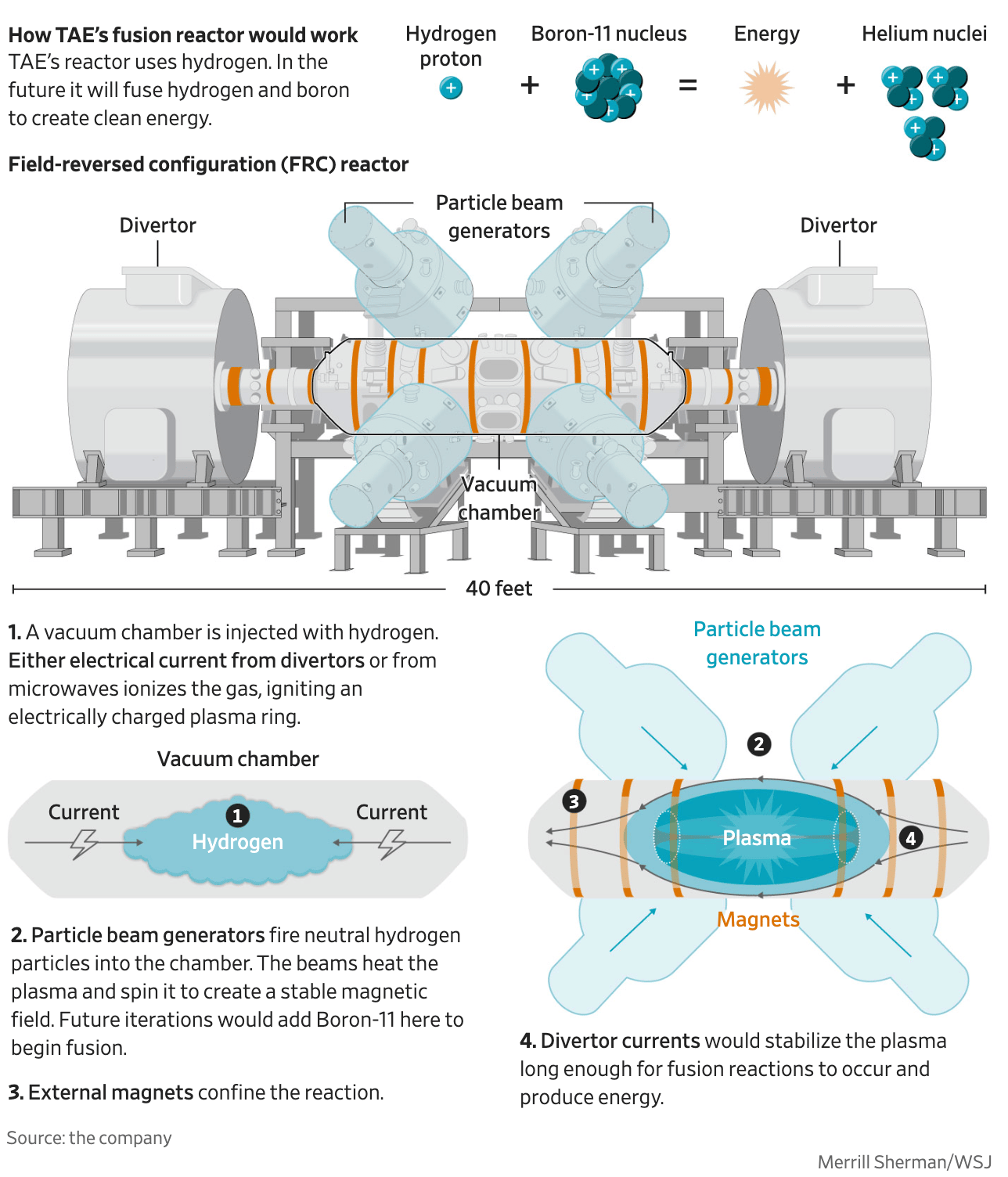
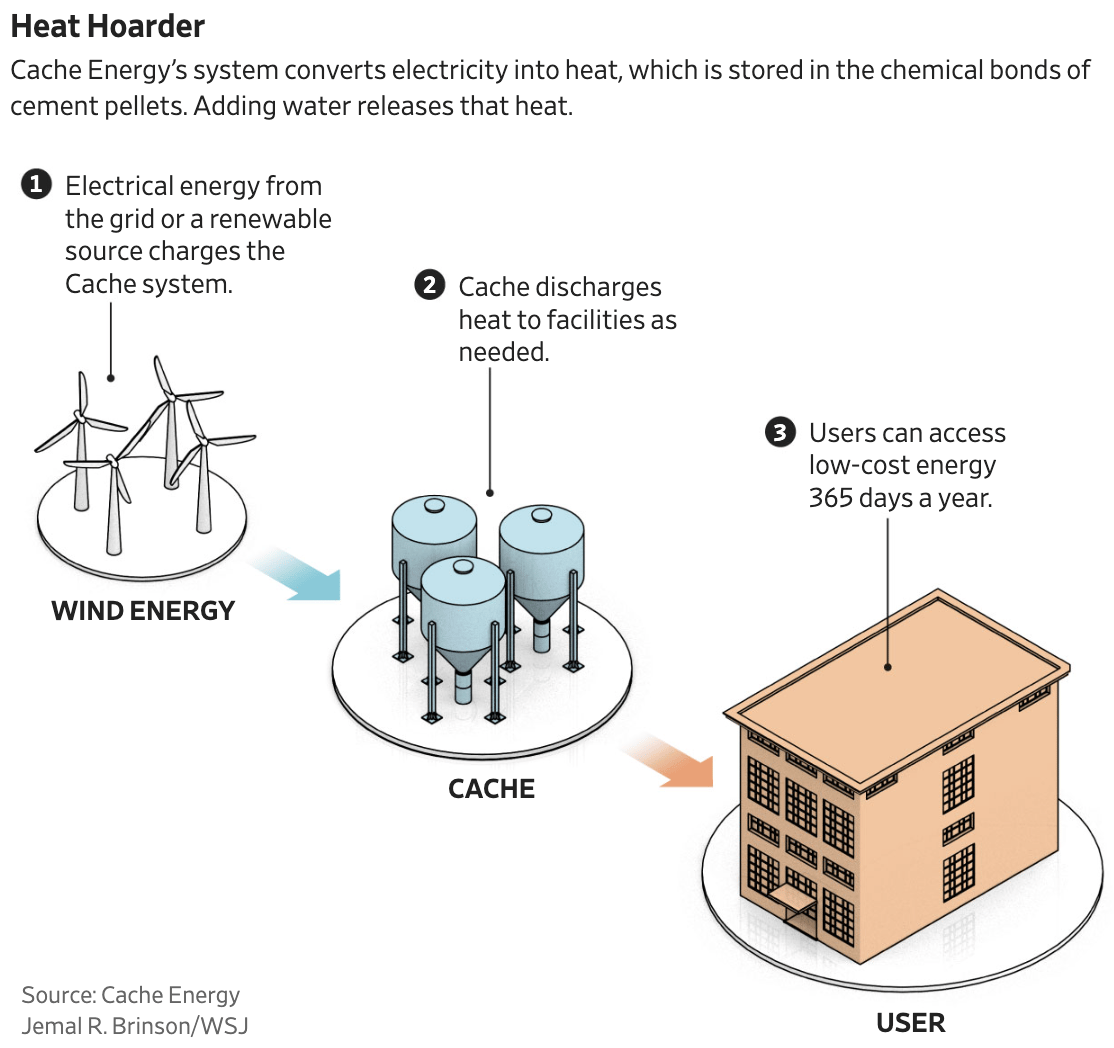
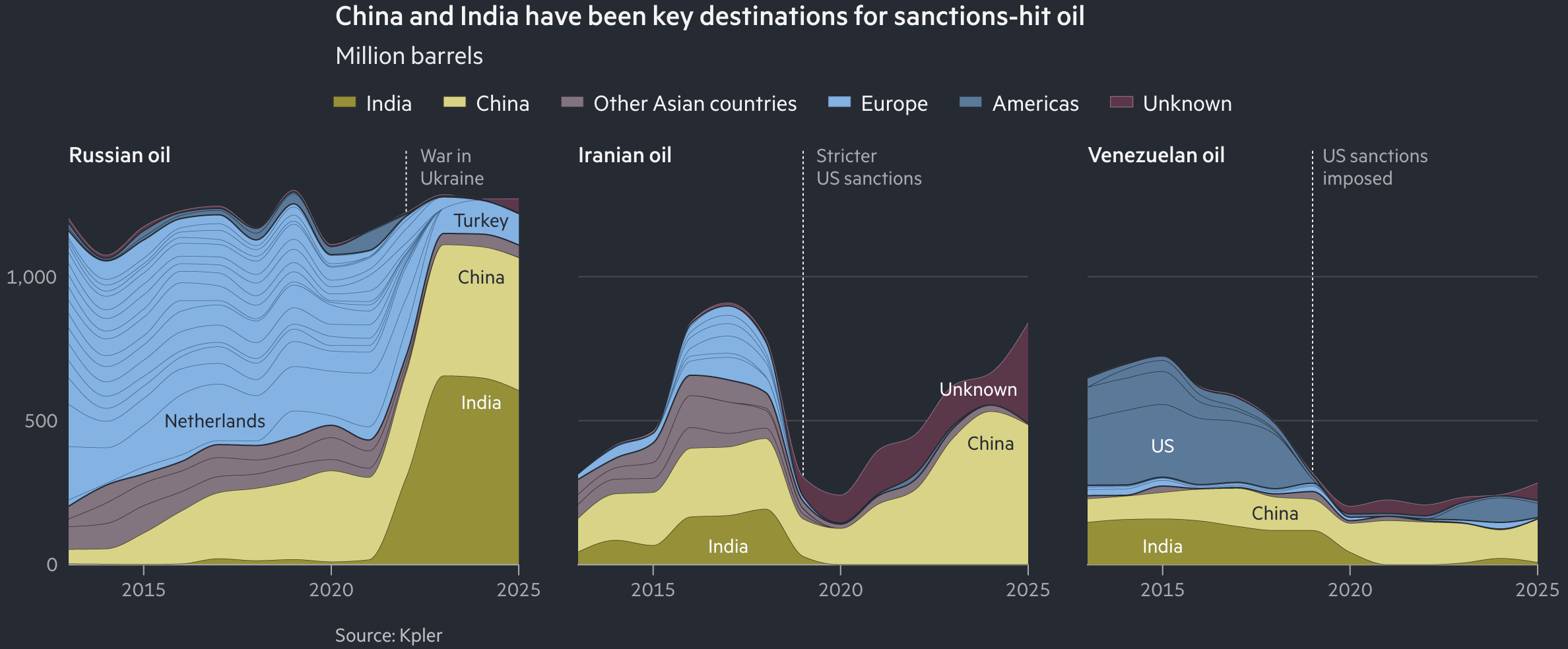
One month has passed since the closure of the Strait of Hormuz, resulting in the biggest disruption to global oil supplies. The development of alternative energy sources is underway, from a fusion plant that would generate clean electricity to a cement-based battery that can store heat.
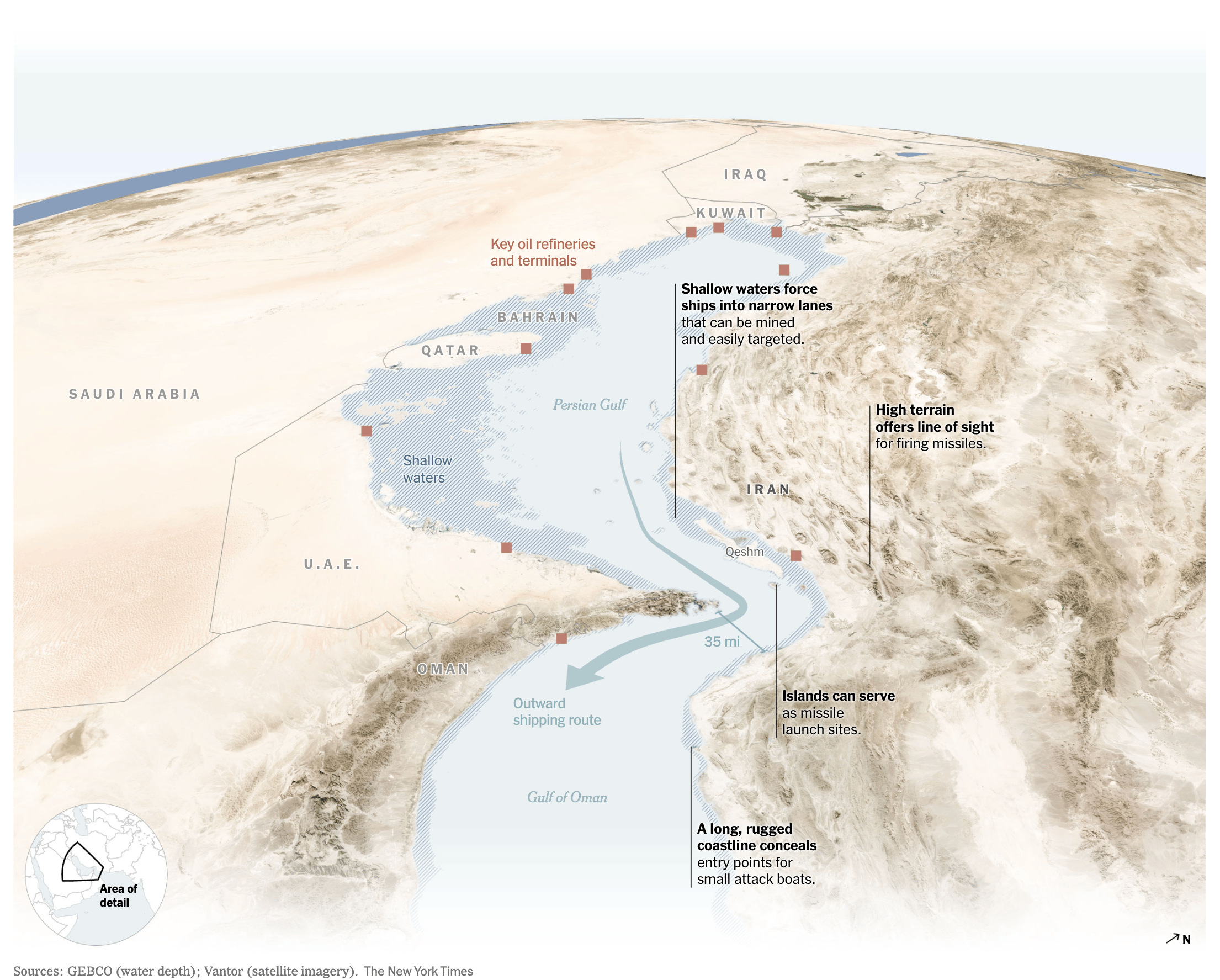
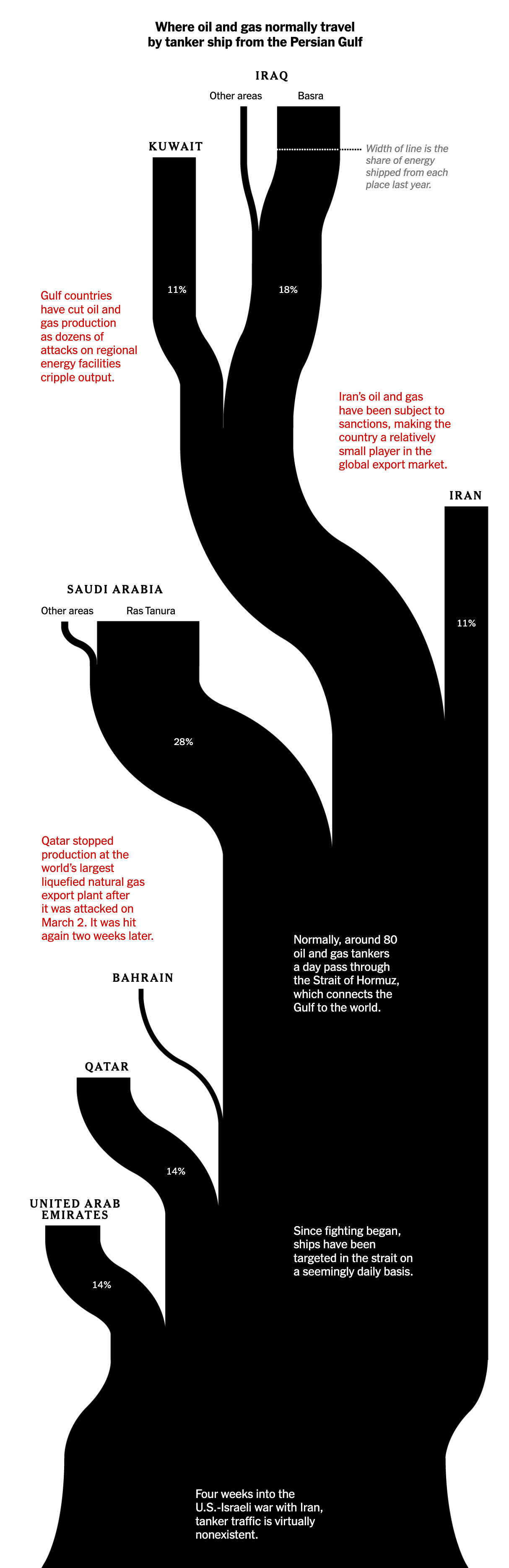
The Strait of Hormuz's geographical location and narrow width have made it difficult to reopen. Meanwhile, concerns are growing over the safety of South Pars, Iran's part of the world's largest natural gas field, as an attack on its gas extraction facilities would have drastic consequences. Over the years, Western sanctions have also impacted oil supplies and altered trade routes.
![Sur: <a href="https://www.diariosur.es/internacional/fase-ormuz-lugar-pone-mundo-borde-bancarrota-20260329002316-ntrc.html"><strong>La 'Fase 11' de Ormuz, el lugar que pone al mundo al borde de la bancarrota</strong></a> [<em>Hormuz's 'Phase 11', the place that puts the world on the brink of bankruptcy</em>], March 30](https://datawrapper.de/cdn-cgi/image/quality=85,width=2360,f=auto,fit=cover/https://kirby.datawrapper.de/media/pages/blog/data-vis-dispatch-march-31-2026-artemis-ii-energy-supplies-and-crime/2e6f2db447-1774877451/cleanshot-2026-03-30-at-15.29.31@2x.png)
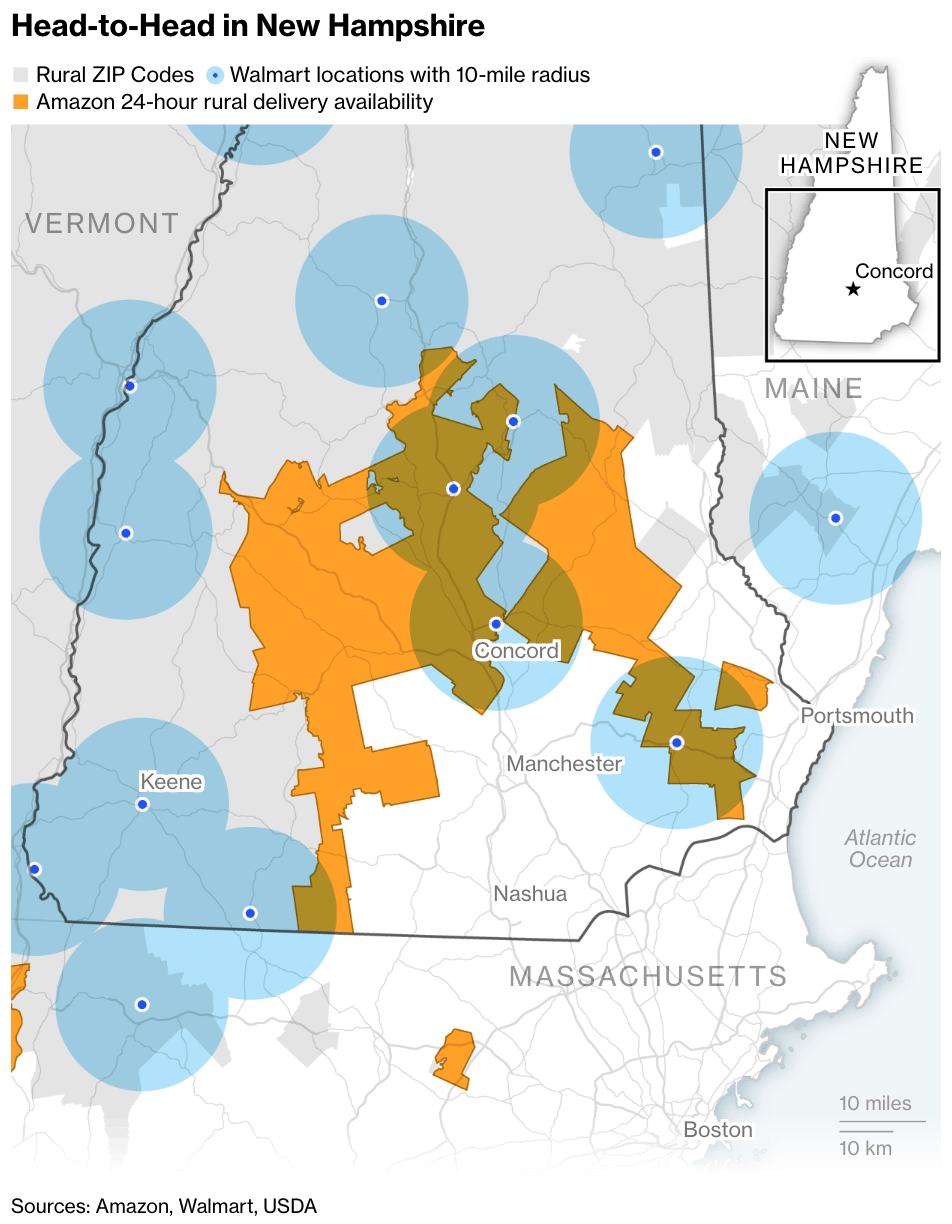
More disruptions can be seen in rural U.S. towns, as Amazon's delivery expansion is threatening Walmart's territory. In Western Switzerland, disruptions in integration are evident, with fewer refugees finding employment.
![Neue Zürcher Zeitung: <a href="https://www.nzz.ch/visuals/stotternde-integration-in-den-arbeitsmarkt-fluechtlinge-finden-zwar-haeufiger-einen-job-ueber-80-prozent-bleiben-jedoch-auf-sozialhilfe-angewiesen-ld.1924565"><strong>Stotternde Integration in den Arbeitsmarkt: Flüchtlinge finden zwar häufiger einen Job – über 80 Prozent bleiben jedoch auf Sozialhilfe angewiesen</strong></a> [<em>Chart title: Fewer refugees have jobs in western Switzerland</em>], March 27](https://datawrapper.de/cdn-cgi/image/quality=85,width=1318,f=auto,fit=cover/https://kirby.datawrapper.de/media/pages/blog/data-vis-dispatch-march-31-2026-artemis-ii-energy-supplies-and-crime/3ae527a182-1774872313/cleanshot-2026-03-30-at-13.56.27@2x.png)
What else we found interesting
Applications are open for…
A research assistant in data visualization and -interaction at Deutsches Zentrum für Astrophysik
A data Graphics/Multimedia Editor at The New York Times
A senior Graphics Editor at Reuters
A data analyst at Centre for British Progress
A graphics multimedia editor at The New York Times


